
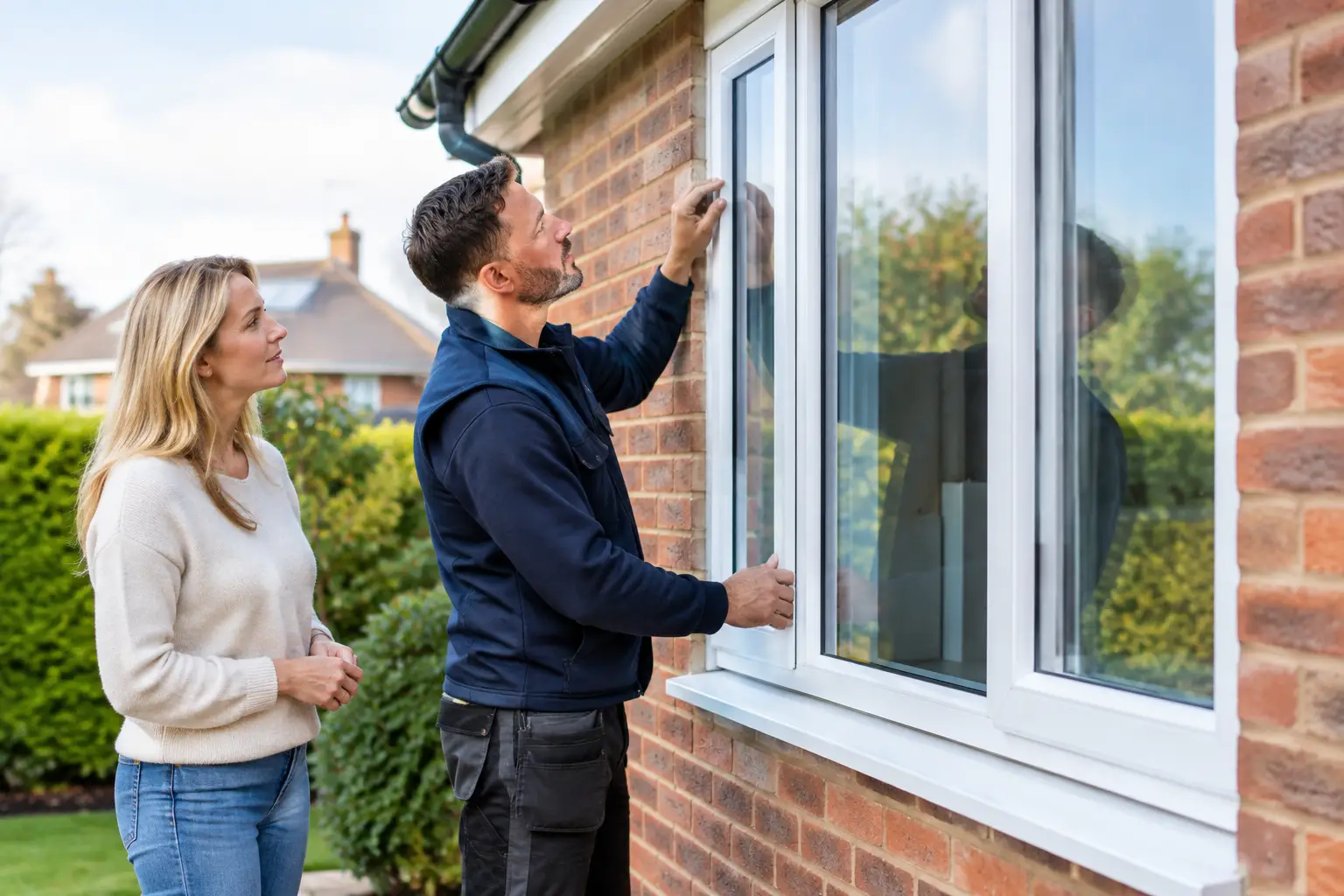
Replacing windows is rarely just a like-for-like decision. A new extension may need larger openings and slimmer frames; a period renovation may need improved insulation without losing its character; an older home may be suffering from draughts, condensation and difficult-to-operate sashes. This residential window replacement guide sets out the decisions that determine how your new windows look, perform and last in a British home.
The strongest projects begin with the opening, rather than the brochure. Window performance depends on the frame system, glass specification, installation detail and how the window meets the surrounding wall. Get those elements right together and an upgrade can make rooms warmer, quieter and noticeably brighter.
Start with the reason for replacing your windows
Be clear about what the existing windows are failing to do. Heat loss, water ingress, failing sealed units, poor security and worn hardware point towards a practical replacement. If your priority is a cleaner architectural finish, bigger glazed areas or matching new bifold and sliding doors, the conversation becomes more design-led.
This distinction affects the product specification. Replacing small uPVC units in an existing cavity-wall opening has different requirements from glazing a contemporary rear extension with floor-to-ceiling aluminium windows. In the latter case, sightlines, structural support, solar gain and the relationship with adjacent doors all deserve early attention.
Measure the visible glass area as well as the overall opening. A frame can be thermally efficient yet appear heavy if the sightlines are not right for the elevation. Conversely, an exceptionally slim frame may not be the best value where the opening is modest and thermal performance is the overriding concern.
Choosing the right frame material and system
Aluminium is a natural choice for homeowners who want crisp lines, durable powder-coated finishes and large glass panels. Modern aluminium frames use a thermal break – an insulating barrier between the inner and outer sections of the profile – to reduce heat transfer. Combined with energy-efficient double or triple glazing, this makes aluminium a credible option for exposed UK locations as well as modern extensions.
The system matters as much as the material. Smarts Alitherm 400 Windows are a versatile aluminium option for refurbishment and new-build work, while Cortizo Casement Windows suit projects where a slim, contemporary profile is central to the brief. For a particularly minimal external appearance, Cortizo Hidden Sash Windows conceal more of the opening sash behind the outer frame. Schuco AWS80SC Casement Windows are often considered where premium engineering, substantial performance requirements and refined detailing are priorities.
There is no universal winner. A hidden-sash design may create the cleanest elevation, but it should be assessed alongside opening sizes, ventilation requirements and budget. Premium systems can justify their cost where the rest of the project has equally considered doors, roof glazing and architectural finishes. For straightforward replacements, a well-specified standard casement can be the more sensible investment.
Colour also needs more thought than a simple choice of anthracite grey or black. Powder coating gives aluminium its long-lasting finish and allows far broader colour choice than many homeowners expect. Consider whether the internal and external faces need different colours, particularly where a light interior is paired with a darker façade. Ask how cills, trickle vents, handles and adjacent doors will look together rather than selecting each item in isolation.
Residential window replacement guide: glazing that works
Glass occupies most of a window, so it has a major influence on warmth, comfort and safety. Low-emissivity coatings help retain heat inside the home, while gas-filled sealed units and warm-edge spacer bars further improve insulation. The stated U-value should be considered for the complete window, not the glass alone, because frame and installation details contribute to real-world performance.
Triple glazing is not automatically the right answer. It can improve thermal performance and may help with noise reduction, but it adds weight, cost and sometimes a thicker visual build-up. A high-quality double-glazed aluminium window is often an excellent choice for many replacement projects. Triple glazing deserves closer consideration on highly insulated new-builds, colder elevations or homes where every improvement to the building fabric is being pursued.
Solar control is equally relevant on wide south- and west-facing elevations. Large glazed areas bring welcome daylight, but can create uncomfortable overheating in summer. Solar-control glass, shading, careful window sizing and opening lights for purge ventilation can work together. Do not specify dark-tinted glass solely for appearance without checking how it will affect daylight and views from inside.
Safety glazing is required in certain critical locations, such as low-level glazing and areas close to doors. Obscure glass can protect privacy in bathrooms or on overlooked boundaries, while laminated glass provides additional safety and security benefits where appropriate. A proper survey should identify these requirements before manufacture, not on installation day.
Ventilation, compliance and British weather
Energy efficiency should not come at the expense of healthy indoor air. Tighter new windows can reduce uncontrolled draughts, which is positive, but the home still needs planned background ventilation. Trickle vents may be required depending on the existing ventilation provision and the scope of the replacement. Their position, colour and size should be agreed early so they do not become an unwelcome surprise on a carefully designed frame.
Replacement windows must also meet relevant Building Regulations, including requirements around energy efficiency, ventilation, safety and means of escape where applicable. Bedrooms may need an escape window with a minimum clear opening, while a converted loft or new extension can have more specific design constraints. For listed buildings and homes in conservation areas, planning controls may limit changes to frame material, glazing bar layouts or opening styles.
Water management is another detail worth inspecting. Aluminium systems are designed with drainage paths, but those paths only work if the frame is fitted level, properly sealed and detailed with suitable cills and flashings. A window that looks excellent from the pavement can still cause problems if water is not directed away from the building fabric.
The survey: where a good specification becomes a workable one
An accurate survey confirms far more than width and height. It establishes the construction of the surrounding wall, the condition of the existing lintel, reveal depths, internal finishes, external cill requirements and any constraints caused by render, brickwork or cavity closers. For large replacement windows, the surveyor should also consider glass weights, access for installation and whether the opening needs temporary support.
This is the stage to agree how the old frames will be removed and how making-good will be handled. Replacing windows can expose damaged plaster, weak brickwork or failed insulation around the original opening. Allow a contingency for remedial work, particularly in older properties where the condition behind the existing frame is unknown.
It is also sensible to review every opening together. Matching frame lines and sightlines across front, side and rear elevations usually gives a better result than ordering individual windows at different times. Where new patio doors are part of the scheme, align transoms, mullions and handle finishes with the window design. This is especially valuable when pairing windows with systems such as a Cortizo COR Vision Sliding Door or aluminium bifolds.
Installation quality is part of the product
Even the best aluminium window will underperform if it is poorly fitted. The frame must be positioned correctly within the opening, fixed securely, insulated around its perimeter and sealed with appropriate internal and external lines of defence. The aim is to keep weather out while managing moisture and maintaining the thermal envelope of the wall.
Ask who will install the windows, what is included in the quotation and how site protection, waste removal and final adjustments are managed. Supply-only can be the right route for experienced trade buyers with a trusted installer. For homeowners and complex renovations, supply and installation by an experienced employed team provides clearer accountability from survey through to handover.
Before sign-off, check every sash opens and locks smoothly, handles are aligned, drainage outlets are clear and glass is free from scratches or damage. Make sure you understand the care requirements for hinges, locks, seals and drainage channels. Aluminium itself is low maintenance, but occasional cleaning and basic hardware checks protect both appearance and operation.
Set a budget around performance, not just unit price
The lowest window quotation may omit items that materially affect the finished result: upgraded glazing, cills, vents, safety glass, access equipment, making-good or installation. Compare like for like, using the same sizes, opening configurations, glass specification and finish. A transparent quotation should make these differences visible.
Spend where it will be felt every day. Better glazing can improve comfort beside the window; a more refined frame can transform an extension elevation; reliable hardware and professionally managed installation reduce the chance of disruption later. Bifolding Door Factory can help homeowners, self-builders and trade customers compare premium systems on that basis, whether the requirement is supply-only or a fully managed nationwide installation.
A replacement window project should leave the house feeling calmer, warmer and more considered, not merely newer. Bring photos, approximate opening sizes and your priorities to the first conversation, then let the survey refine the detail. That is how a window choice becomes a long-term improvement to the way your home performs and feels.