
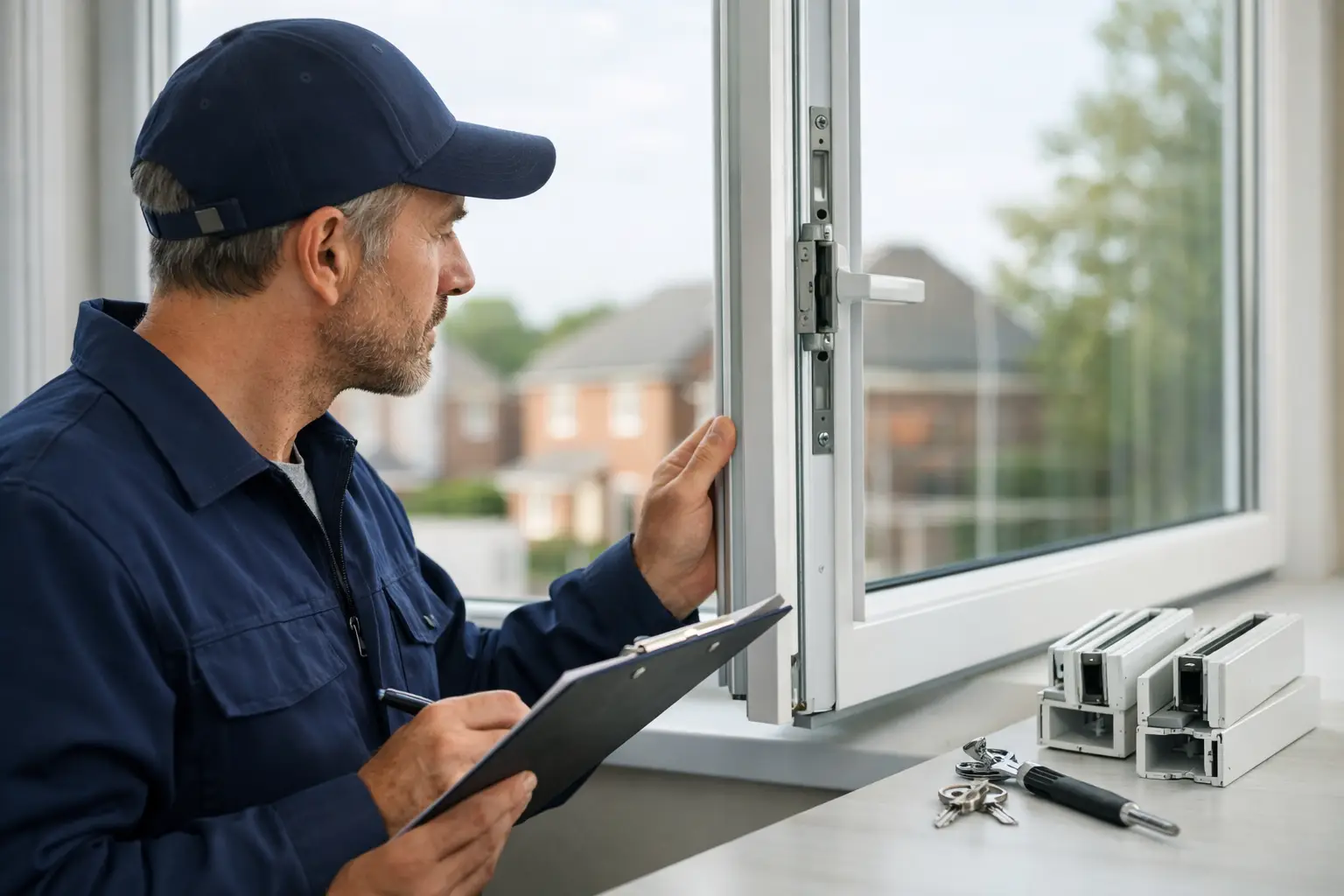
A new set of aluminium doors can transform a property. More light, slimmer frames, better thermal performance, and a cleaner connection to the garden are the obvious wins. The less visible part is compliance, and that is where FENSA matters. If you are replacing external windows or doors in an existing home, FENSA is often one of the first checks you should make – not because it is a marketing badge, but because it affects legality, paperwork, and future resale.
What FENSA actually means
FENSA stands for the Fenestration Self-Assessment Scheme. In practical terms, it is a government-authorised scheme that allows approved installers to certify that replacement window and door installations comply with Building Regulations in England and Wales.
That matters because most replacement glazing work needs to meet rules covering areas such as thermal efficiency, safety glazing, ventilation, and means of escape. If the installer is registered with FENSA, they can self-certify the work and notify the local authority on your behalf. If they are not, you may need to arrange Building Control approval separately.
For homeowners, the difference is simple. A FENSA-registered installation should result in the right certificate being issued after the work is complete. That certificate can become surprisingly important years later when you come to sell your house.
Why FENSA matters when replacing windows and doors
The biggest reason is compliance, but it is not the only one. Replacing old frames is not just a style upgrade. It changes how the building performs, how safe the glazing is in critical locations, and how well openings function in day-to-day use.
A compliant installation should consider more than whether the frame looks straight on handover day. Glass specification, toughened or laminated safety glazing where required, trickle ventilation, threshold detailing, and the overall thermal performance of the system all need to be right. That is especially relevant with larger-format products such as bifold and sliding doors, where size, weight and glazing area add complexity.
A FENSA certificate does not mean every installer is equal, and it does not replace due diligence on product quality. What it does do is show that the installer is part of a recognised scheme and that the work should be notified correctly. That gives homeowners and trade clients one less administrative problem to sort out.
FENSA and Building Regulations
This is where confusion often creeps in. FENSA is not the regulation itself. It is a route to demonstrating compliance.
Building Regulations still apply whether you choose aluminium windows, bifold doors, or a new sliding door system. The relevant standards may include energy efficiency, safety glazing, ventilation, structural support, and in some cases access requirements. With a registered installer, the process is usually simpler because the notification sits within the scheme.
If you use a non-registered installer, that does not automatically mean the job is non-compliant. It means the responsibility for proving compliance usually shifts, often through local authority Building Control. Some clients are comfortable with that route, particularly on complex projects. Others would rather avoid extra steps, extra time, and the possibility of missing paperwork.
Is FENSA required for every project?
No, and this is where it depends on the type of work.
For replacement windows and doors in existing dwellings, FENSA is highly relevant.
New-build homes, extensions, or projects already covered through a wider Building Control process, the route to compliance is different. On a self-build or major renovation, your architect or builder should already have this covered within the broader approval framework.
That is why the right question is not simply, “Do I need FENSA?” It is, “How will this installation be signed off, and who is responsible for it?”
What a FENSA certificate does for homeowners
The practical value usually shows up after installation, not during the sales process. When a property is sold, solicitors often ask for evidence that replacement windows and doors were installed lawfully. A FENSA certificate is commonly used for that purpose.
Without it, sellers may need to track down alternative paperwork, pay for indemnity policies, or explain why documentation is missing. None of that makes a property unsellable, but it can create delay and unnecessary friction.
There is also reassurance in knowing that the installation has been handled through a recognised compliance route. That matters on premium glazing projects where buyers are investing not only in appearance, but in long-term performance. Well-made products such as Smarts Visofold 1000 Bifold Doors, Schuco ASFD75 Bifold doors, or a Cortizo COR Vision Sliding Door only perform properly if the survey, specification and installation are handled correctly.
FENSA is not the same as product quality
This is an important distinction. FENSA relates to installer registration and compliance notification. It does not tell you whether one system is better than another, whether the frames are genuinely slim, or whether the hardware and glazing package are right for the opening.
A homeowner comparing an entry-level bifold with a more refined system should still look at sightlines, sash sizes, threshold options, thermal values, security testing, and manufacturing quality. The same applies to windows. There is a difference between simply fitting a replacement frame and specifying a product that genuinely improves the property.
For example, premium aluminium systems with a proper thermal break and energy-efficient glazing can offer a strong balance of aesthetics and performance. Products such as Cortizo Hidden Sash Windows or Smarts Alitherm 400 Windows are chosen not because of a certificate, but because they suit modern renovation priorities – clean lines, better insulation, durability, and colour flexibility.
Why installation standards still matter beyond FENSA
Even the best system can be undermined by poor installation. Frames that are out of square, weak perimeter sealing, incorrect packers, badly considered cill details, or poorly integrated thresholds can all affect operation and weather performance.
That is why experienced buyers look at the whole chain: survey accuracy, system choice, glass specification, manufacturing standards, and who is fitting it. A company supplying and installing its own approved systems often gives more control than a disconnected chain of surveyor, reseller, fabricator and subcontractor.
For larger glazed openings, that joined-up approach matters even more. A Schuco ASE80 Sliding Door or Origin OB49 Bifold Doors set needs more than a generic fitting team. Weight, tolerance, floor levels and structural aperture preparation all need proper attention if you want smooth operation and reliable long-term performance in British weather.
Questions worth asking before you place an order
If you are comparing suppliers, ask who is responsible for Building Regulations compliance and what paperwork you will receive after the installation. Ask whether the products are manufactured from approved system components, what glazing specification is included, and whether the quote covers the details that affect real-world performance rather than just headline dimensions.
It is also worth asking whether the installer uses employed teams or subcontract labour. That does not automatically decide quality, but it tells you something about control and accountability. On straightforward replacements it may seem a small point. On larger bifold doors, sliding doors, or full-house window replacements, it often is not.
FENSA for trade buyers and self-build projects
Trade professionals and self-build clients usually take a more detailed view. They are not just asking whether a certificate will be issued. They want to know how compliance, specification and lead times fit into the build programme.
For builders and architects, the best supplier is rarely the one talking about FENSA in isolation. It is the one that can explain where FENSA applies, where Building Control sign-off sits elsewhere, and how the chosen system meets the project brief. That might mean bifolds for a rear extension, a slim sliding door for maximum glass area, or aluminium windows with better consistency across mixed openings.
This is where a specialist glazing company can add real value. Product-by-product comparison, accurate sizing, realistic lead times, and clear technical advice tend to matter more than broad claims. Bifolding Door Factory, for example, works in a part of the market where buyers expect premium branded systems, transparent pricing and proper installation logic, not guesswork.
The sensible way to think about FENSA
FENSA should not be treated as a bonus feature, and it should not be treated as the only thing that matters either. It is one part of buying well.
If you are replacing windows or doors in an existing home, make sure the compliance route is clear before work starts. Then give equal attention to the product itself, the installation method, and the people responsible for the job. That is how you end up with glazing that looks right, performs properly, and does not come back to haunt you when the paperwork is needed years down the line.
A smart glazing purchase is rarely just about the frame you can see on day one – it is also about the standards behind it, and FENSA sits firmly in that picture.