
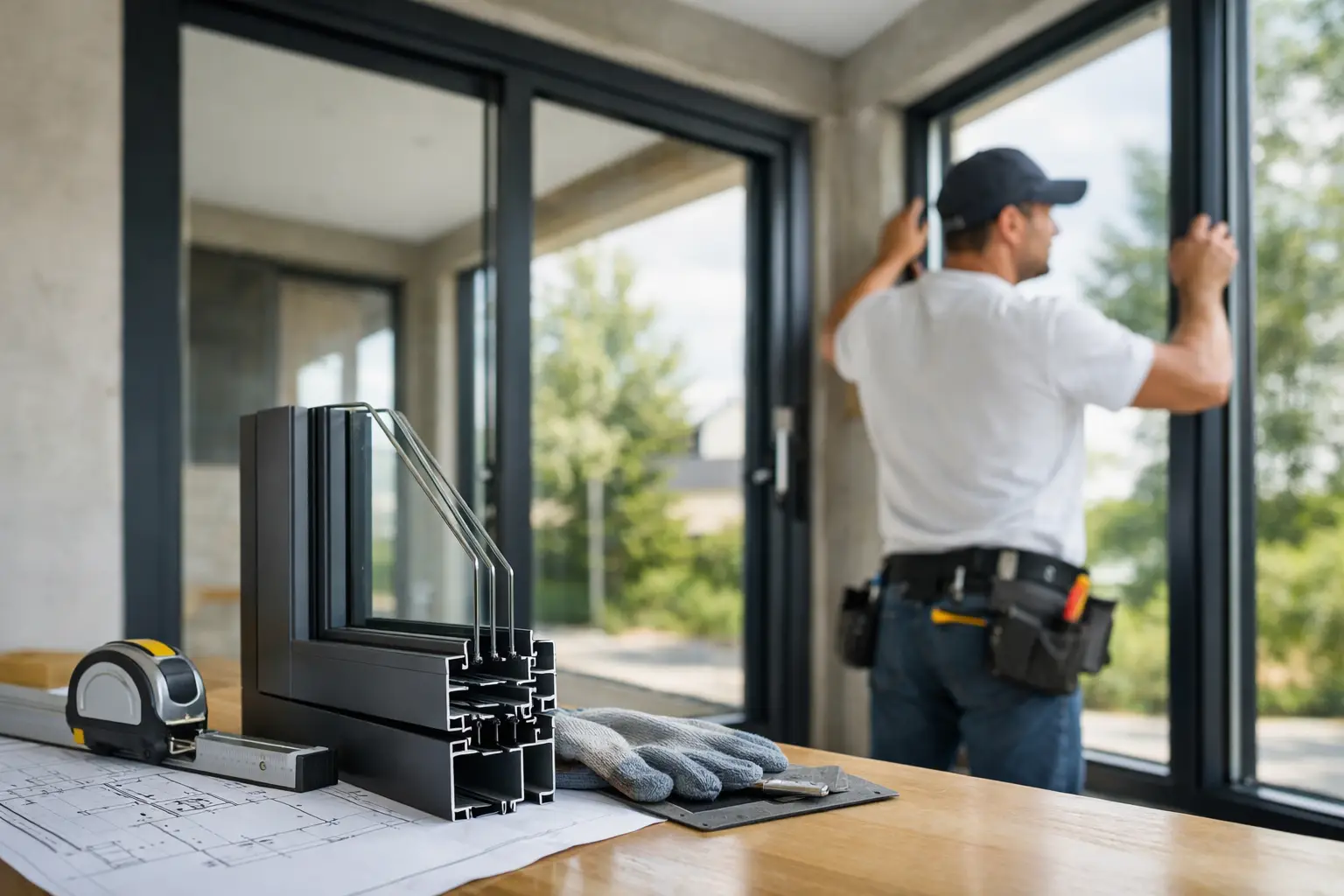
When a self-build reaches the window stage, the easy decisions are usually already behind you. Structure, openings and planning may be signed off, but self build aluminium windows still have the power to shape how the whole house looks, feels and performs. Get them right and you gain clean sightlines, strong thermal efficiency and a finish that suits modern architecture. Get them wrong and you can end up compromising daylight, overheating, budget or programme.
For most self-builders, aluminium is attractive for the same reason it is widely specified on contemporary extensions and architect-led homes – it delivers slim frames, large areas of glass and long-term durability without the maintenance demands of timber. That does not mean every aluminium window is equal. Profile depth, thermal break design, glazing specification, hardware quality and how the units are manufactured all make a real difference.
Why self build aluminium windows are so popular
The main appeal is visual. Aluminium is inherently strong, which allows for neater frame sections than many bulkier alternatives. On a self-build, that can be the difference between a house that feels sharp and modern, and one where the glazing looks heavier than the architecture intended.
There is also a practical case. Quality aluminium systems with a proper thermal break and energy efficient glazing are capable of very good thermal performance. In a British climate, that matters. The aim is not only to reduce heat loss in winter, but also to manage comfort throughout the year. Large glazed openings can create stunning spaces, yet they need sensible specification if you want the house to remain comfortable in direct sun and poor weather alike.
Security and longevity are part of the picture too. A well-made aluminium window should feel solid, close cleanly and maintain its appearance over time. Powder-coated finishes are available in a wide range of colours, so the design freedom is broader than many buyers first assume.
What to compare in self build aluminium windows
Price matters, but windows should not be judged on a headline figure alone. On a self-build, the more useful question is what is included in that price and whether the system is suited to the house you are creating.
Start with the sightlines. Slimmer frames usually mean more glass and a lighter overall look, but ultra-slim design should not come at the expense of performance. Then look at thermal values, not just the marketing claim. U-values are important, but so is the overall build-up of frame and glass. Triple glazing may improve performance in some projects, but it also increases weight and cost, and it is not automatically the best answer for every elevation.
Manufacturing quality is just as important as the profile itself. Even a strong system can disappoint if fabrication standards are poor. Corners, gaskets, drainage, glazing support and hardware setup all affect long-term results. This is why approved system components and experienced fabrication matter.
Lead time is another area where self-builders get caught out. Bespoke glazing packages are rarely an off-the-shelf purchase. Sizes, mullion positions, opening sashes, cill details, handles, trickle vent requirements and glass upgrades all need confirming early enough to keep the build moving.
Choosing the right window style for the build
Not every self-build needs the same type of aluminium window. In many projects, the best result comes from mixing styles rather than applying one product everywhere.
Casement windows
Casement windows remain one of the most practical options for self-build homes. They suit bedrooms, studies, utility rooms and side elevations where ventilation and usability matter as much as appearance. Systems such as Smarts Alitherm 400 Windows, Cortizo Casement Windows and Schuco AWS80SC Casement Windows are regularly considered because they balance clean aesthetics with credible thermal performance.
This is often where budget can be controlled sensibly. A good aluminium casement does not need to be the most expensive product in the range to perform well. The right specification depends on the opening sizes, the design language of the house and whether you want visible framing or a cleaner, more architectural look.
Hidden sash designs
If the goal is a more minimal exterior, hidden sash systems are worth serious attention. Cortizo Hidden Sash Windows are a good example of a style that reduces the visible frame and creates a sharper glazed appearance from outside. That can work particularly well on contemporary self-builds where the facade relies on crisp lines and consistent proportions.
The trade-off is usually cost and, sometimes, slightly tighter specification choices. Hidden sash options are design-led products, so they need to be selected with the elevation in mind rather than simply chosen because they sound more premium.
Design decisions that affect cost and performance
The biggest pricing shifts usually come from glazing and configuration rather than the base frame alone. Oversized units, specialist glass, dual colours and complex opening arrangements can move the budget quickly.
Glass specification is one of the most important decisions. South-facing elevations may benefit from solar control glass to limit overheating, especially in open-plan rooms with large glazed areas. Acoustic glass can be worthwhile if the plot is near a main road. Privacy glass may be useful in bathrooms or overlooked positions. These are not upgrades for the sake of it – they should respond to the site and how the house will be used.
Colour also affects both appearance and cost. Anthracite grey remains a popular choice, but self-builders are now more willing to use black, textured finishes, bronze tones and dual-colour options with a different internal and external finish. Aluminium gives you that flexibility, but bespoke finishes should be factored into both budget and programme.
Then there is ventilation. Modern homes are more airtight, so background ventilation and opening strategy need proper thought. It is much better to coordinate this at specification stage than to make compromises later.
Supply only or supply and install?
This is where the right route depends on your team. If you have a capable builder or glazing installer who is comfortable handling aluminium systems, supply only can make sense. It offers more control and can suit experienced self-builders who are managing the programme closely.
For many clients, though, supply and install is the safer option. Window performance is not just about the frame and glass. Survey accuracy, tolerances, packers, sealing, fixing points and perimeter detailing all affect the finished result. A premium product fitted badly is still a bad result.
That is why some self-builders prefer to deal with a specialist supplier-installer rather than splitting responsibility across separate trades. It simplifies accountability and can reduce the risk of site issues when units arrive.
How aluminium windows work with doors and larger glazing
A self-build rarely involves windows in isolation. The house usually includes bifolds, sliding doors and fixed glazed screens, and these need to work together visually. The trick is not to specify each element separately without considering the whole elevation.
For example, if a rear facade includes large sliding doors such as a Cortizo COR Vision Sliding Door or Schuco ASE80 Sliding Door, your adjacent windows need compatible sightlines and colours so the design reads as one scheme. The same principle applies if you are pairing windows with bifold systems such as Smarts Visofold 1000 Bifold Doors or Cortizo Bifold Plus.
This is one reason a specialist glazing supplier is valuable on a self-build. You are not simply buying individual products. You are creating a coordinated envelope where doors, windows and fixed glazing need to align in appearance and performance.
Common mistakes self-builders make
One mistake is specifying too late. By the time openings are built, some of the most useful design choices may already be limited. Window sizes, frame positions and threshold details should be considered well before manufacture.
Another is chasing the slimmest frame without understanding the compromise. Very slim systems can look excellent, but they must still be suitable for the location, opening size and thermal target. Sometimes a slightly deeper, better-performing system is the smarter choice.
The other common issue is comparing quotations that are not truly equivalent. One quote may include higher-spec glass, better hardware, more secure locking, installation or certification support, while another may look cheaper because key elements are missing. Transparent pricing only works when the specification is clear.
Getting the specification right from the start
The best self build aluminium windows are not always the most expensive or the slimmest. They are the ones that suit the architecture, meet the energy target, fit the budget and arrive with the right level of technical support behind them.
If you are at the early design stage, involve your window supplier before the openings are fixed. That gives you more room to refine sightlines, ventilation, glass performance and installation detail without costly revisions later. On a self-build, that kind of early coordination usually saves both money and stress.
A good window should do more than fill an opening. It should improve light, sharpen the design and stand up to British weather for years to come. That is the standard worth holding out for.