
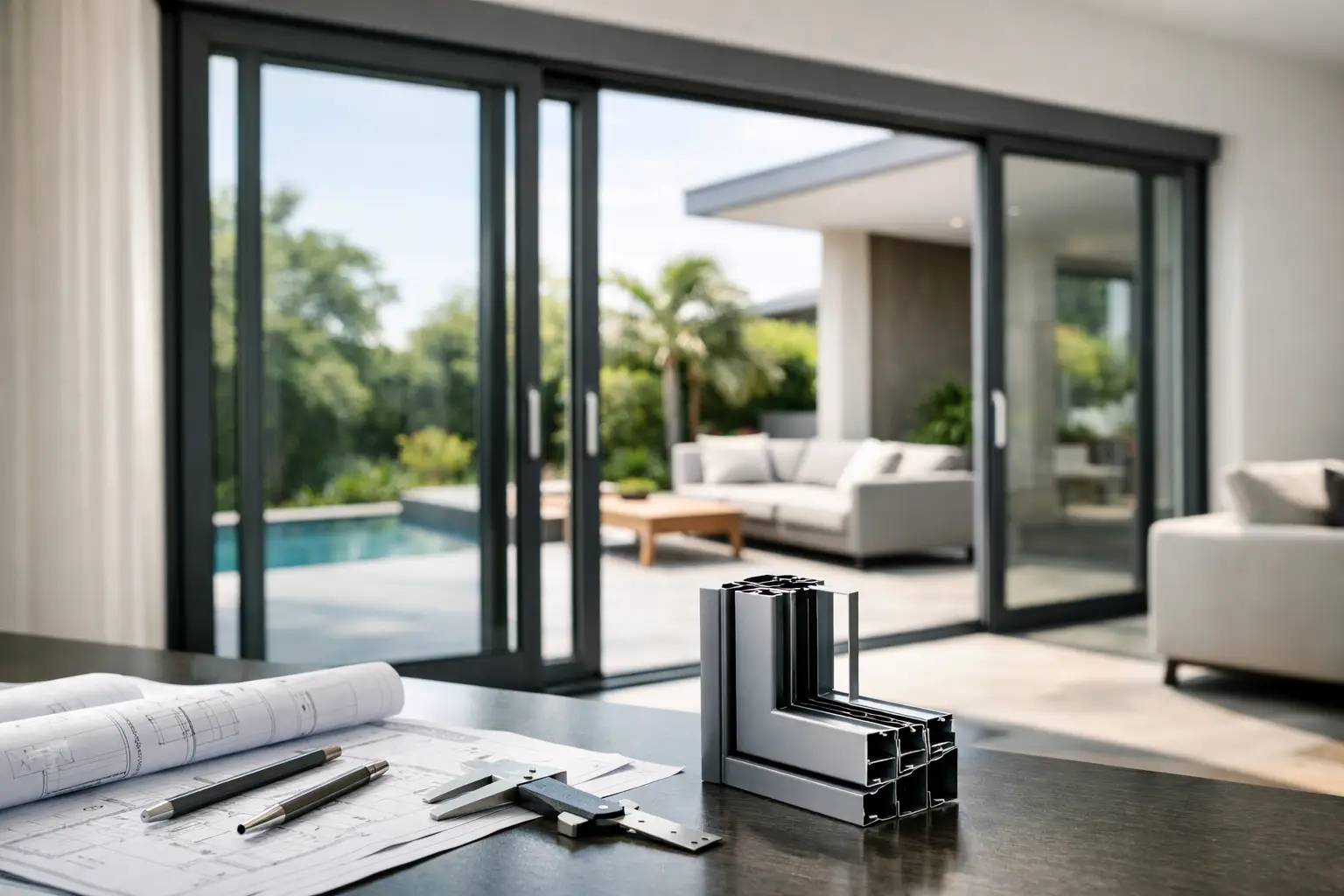
A sliding door can look perfect on a showroom page and still be wrong for the opening, the exposure, or the way you plan to live with it every day. That is why knowing how to specify aluminium sliding doors properly matters. The right specification affects sightlines, thermal efficiency, security, access, budget and, just as importantly, how the doors actually feel to use once the project is finished.
How to specify aluminium sliding doors without costly mistakes
Most problems start when people specify on appearance alone. Slim frames and large panes are a major reason to choose aluminium, but the best-looking option is not always the best technical fit. A south-facing extension with broad garden views has different priorities from a replacement patio door in an exposed coastal location, and a supply-only trade order will often need more detail locked down earlier than a straightforward homeowner installation.
The starting point is to decide what the doors need to do. If the brief is maximum glass and minimal visible frame, a system such as the Cortizo COR Vision Sliding Door or Cortizo COR Vision Plus Sliding Door may suit the project. If the brief is more balanced, with strong thermal performance, dependable operation and wider configuration flexibility, options such as the Schuco ASE60 Sliding Door, Schuco ASE80 Sliding Door or Smarts Visoglide Plus sliding door may be more appropriate. Good specification is rarely about chasing one headline feature. It is about matching the system to the project.
Start with the opening, not the brochure
Door specification should begin with the structural opening and the intended finished floor levels. Width, height and headroom all influence which systems are viable and how many panes will work best. On wider apertures, a two-pane arrangement may give cleaner sightlines, but larger individual sash sizes also mean greater glass weight. That can affect cost, handling and sometimes the practicality of installation.
At this stage, it also helps to be clear about panel direction and how much clear opening you really want. Some clients assume a sliding door will open up the whole elevation in the way a bifold does. It will not. One panel must usually slide behind another, so the clear opening is always less than the total frame width. If uninterrupted access is the top priority, that may change the conversation entirely.
This is where an experienced supplier earns their place. It is not just about whether the door fits. It is about whether the chosen configuration gives the right balance of fixed glass, moving panels and practical access.
Decide what matters most: sightlines, opening width or performance
You can prioritise slim interlocks, larger panes, lower U-values or more robust weather performance, but there is usually a trade-off somewhere. Ultra-slim systems can look exceptional, particularly on contemporary extensions, yet some projects are better served by a slightly chunkier system with broader specification flexibility.
For example, a Schuco ASE80 Sliding Door may appeal where premium engineering and stronger thermal credentials are central to the brief. A Smarts Visoglide Plus sliding door often makes sense when buyers want a proven aluminium patio door with good all-round performance and sensible value. The right answer depends on the project, not on a generic ranking.
Glazing specification matters as much as the frame
A common mistake is treating glazing as a minor add-on. In reality, the glass package has a major effect on energy performance, solar gain, acoustics and safety. If you are working out how to specify aluminium sliding doors for a home improvement or self-build project, glazing should be part of the early decision-making, not the final tick box.
Double glazing remains standard for many residential schemes, but triple glazing may be worth considering where energy targets are tighter or where the opening is particularly exposed. Solar control glass can help on strongly sunlit elevations, especially where overheating is a concern. Acoustic glazing may be worthwhile near busy roads. In family homes, laminated glass on certain elevations or in specific locations can add reassurance as well as compliance.
This is also where expectations need managing. More glass is not automatically better glass. A huge pane with the wrong coating can create glare and unwanted heat build-up. A carefully chosen specification often performs better in everyday use than the most aggressive visual statement.
Thresholds, access and floor build-up
Threshold choice is one of the most overlooked parts of a door order, yet it affects accessibility, weather performance and the overall finish. Homeowners usually want a low threshold for a cleaner transition to the patio or garden. In many cases that is possible, but the success of a low threshold depends on drainage design, external levels and site exposure.
Flush internal-to-external transitions look excellent, but they need planning. Finished floor levels, paving build-up and water management all have to be considered before manufacture. Get this wrong and the nicest sliding system in the world will not solve the problem afterwards.
For trade professionals and architects, this is a detail worth pinning down early with the structural and landscaping package. For homeowners, it is simply worth asking the question before assuming every slim-threshold image online reflects a like-for-like site condition.
Security, compliance and day-to-day confidence
Premium aluminium sliding doors should not be judged on aesthetics alone. Security specification matters, especially on larger openings at the rear of a property. Multi-point locking, quality hardware, tested systems and approved components all play a part.
There is a practical side to this too. A well-specified sliding door should feel solid in operation. Rollers, track design and sash weight all influence how the product behaves over time. A very large glazed panel may look effortless in a brochure image, but if the engineering behind it is poor, that elegance does not last.
For this reason, branded systems from established names such as Schuco, Cortizo and Smarts tend to attract serious attention from informed buyers. They offer known performance data, defined manufacturing parameters and a more dependable basis for comparison.
Colour, hardware and internal finish
Most buyers focus on anthracite grey first, and for good reason. It suits modern extensions and sits comfortably with contemporary windows, rooflights and rendered finishes. But colour should still be specified in the context of the wider project. Internal and external colours can often be chosen separately, which is useful when the exterior wants a darker architectural finish while the interior benefits from a lighter tone.
Hardware also deserves more attention than it usually gets. Handle design, finish and locking arrangement all affect the final impression. On a premium installation, these details are not minor. They are part of what makes the door feel considered rather than merely fitted.
Match the door to the rest of the glazing package
If the project includes new windows or bifold doors elsewhere, the sliding system should be viewed as part of a larger package. Consistency of frame style, colour and performance matters. A house with Cortizo Hidden Sash Windows or Schuco AWS80SC Casement Windows, for example, may benefit from keeping within a compatible premium aluminium language across the whole scheme.
That does not always mean using one manufacturer throughout. It does mean checking that sightlines, finishes and overall quality level sit comfortably together.
Supply only or supply and install
Another part of how to specify aluminium sliding doors is deciding who is responsible for what. A supply-only order can work very well for experienced builders and installers who are comfortable managing surveys, tolerances and fitting. For homeowners and more complex renovation projects, a supply-and-install route often provides better control over measurement, coordination and final finish.
This matters because sliding doors are less forgiving than many people expect. Large glass, precise tolerances and threshold detailing all need careful handling. A door can be manufactured to the correct dimensions and still perform poorly if site preparation or installation quality is off.
That is why many clients prefer dealing with a specialist that understands both product selection and installation realities, rather than treating the door as a boxed commodity.
Budget honestly, not optimistically
Price is always part of specification, and it should be. But good budgeting means comparing like with like. A quote for a basic aluminium slider with standard glazing is not directly comparable with a premium slim-frame system, upgraded glass, dual colour finish and low threshold detail.
The clearer the specification, the easier it is to compare real value. Ask what is included in the frame system, glass spec, ironmongery, cill or threshold arrangement, delivery and installation scope. Many apparent savings disappear once missing details are added back in.
For homeowners, transparent pricing helps avoid expensive late changes. For trade buyers, it makes procurement faster and cleaner. That is one reason Bifolding Door Factory puts such emphasis on product-by-product comparison rather than vague claims.
Finalise the specification before the order goes live
Before sign-off, confirm overall sizes, configuration, panel stacking, colour, glazing, threshold type, handle finish, trickle ventilation if required, and any site-specific structural or drainage details. This is the point to challenge assumptions, not after manufacture starts.
The best aluminium sliding doors combine slim design, strong thermal performance and reassuring security, but only when the specification is built around the project itself. Choose the system that suits the opening, the elevation and the people using it, and the result tends to justify the effort every single day.