
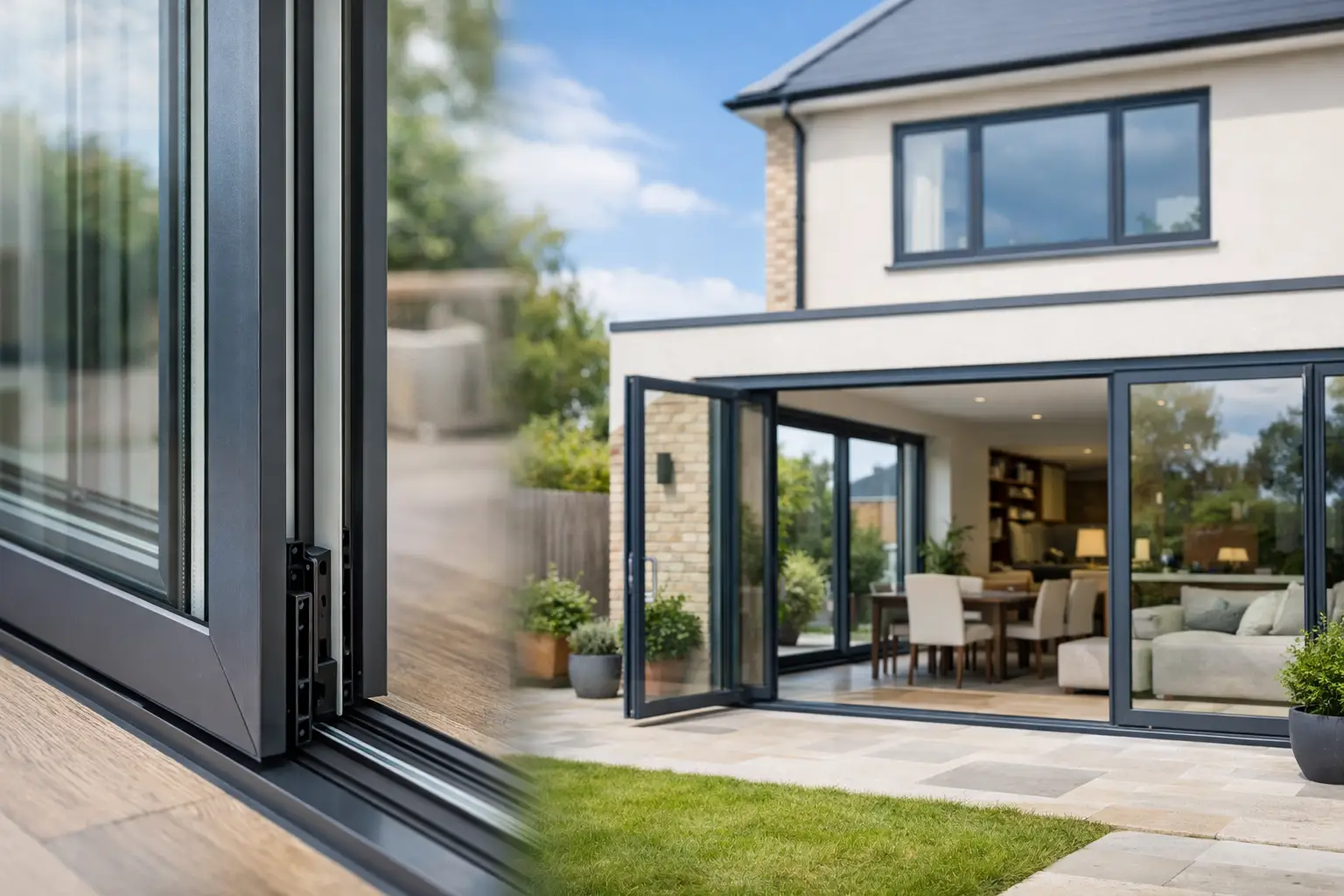
A good aluminium window can make a mediocre extension look considered, and a poor one can make an expensive build feel slightly off. Sightlines, frame depth, opening style, thermal values and even handle choice all change the end result. If you are comparing the best aluminium window systems, the right answer is rarely the cheapest frame or the most recognisable brand. It depends on the look you want, the size of the openings, the performance target and how closely the windows need to tie in with doors elsewhere in the project.
For most homeowners and specifiers, aluminium sits in a very practical sweet spot. It gives you slimmer frames than many alternative materials, very good durability, strong colour consistency and a clean modern finish that suits contemporary extensions as well as updated period properties. With thermal break technology and energy efficient glazing, today’s systems are also far better insulated than older aluminium windows people still remember from decades ago.
What makes the best aluminium window systems stand out?
The strongest systems tend to get the basics right before they promise anything clever. They need to look good, perform properly in British weather, accept the right glazing specification, lock securely and be manufactured from approved system components.
Thermal performance matters, but it should be judged realistically. A lower U-value is useful, especially in renovation and self-build projects trying to improve energy efficiency, yet headline numbers only tell part of the story. The full specification matters – frame design, glass unit makeup, spacer bars and installation quality all play their part.
Sightlines are just as important in real projects. Some clients want the slimmest possible frame to maximise glass and daylight. Others are happier with slightly chunkier sections if that gives a particular style, better value or easier integration with matching doors. That is why comparing by brochure image alone often leads to the wrong choice.
Security and compliance should not be treated as extras. Good aluminium windows should be designed around tested hardware, dependable locking and correct fabrication standards. If you are buying for a family home or a high-value renovation, these details matter every bit as much as colour and price.
Best aluminium window systems to compare
If you are trying to narrow the market, a handful of systems come up repeatedly for good reason. They each appeal to a slightly different buyer and project type.
Smarts Alitherm 400 Windows
Smarts Alitherm 400 Windows are a strong option for buyers who want a proven British aluminium system with a broad range of styles and sensible pricing. They work well in standard replacement projects, extensions and many new-build applications where reliability and value need to sit alongside a neat, contemporary finish.
This system tends to suit projects where performance and flexibility matter more than chasing the absolute slimmest frame. It offers the reassurance of an established platform, with colour choices, glazing options and configurations that make it easier to coordinate with matching glazed products. For many homeowners, that balance is exactly what makes it one of the best aluminium window systems on the market.
Cortizo Casement Windows
Cortizo Casement Windows usually appeal to clients who want a slightly more architectural feel. The system is known for modern styling, tidy frame profiles and a specification that sits comfortably within design-led residential work. If the project includes large glazed openings elsewhere, such as sliding doors or bifolds, Cortizo often feels visually consistent.
These windows are a sensible choice where the goal is a sharper external appearance without straying into impractical territory. They are often specified on rear extensions, kitchen-diners and self-build homes where clean lines matter. Pricing can vary depending on size, glazing and finish, but they are often chosen because they look premium without becoming difficult to justify.
Schuco AWS80SC Casement Windows
Schuco AWS80SC Casement Windows are aimed at the higher end of the market. Schuco has a strong reputation among architects, developers and informed homeowners because the systems are engineered with performance, detailing and long-term quality in mind.
This is usually not the option for someone chasing the lowest quote. It is the option for buyers who want a system with a premium feel, strong weather performance and a specification that stands up well in demanding projects. If your build includes Schuco sliding or bifold systems, keeping the same brand through the window package can also help with finish consistency and overall design coherence.
Cortizo Hidden Sash Windows
Cortizo Hidden Sash Windows deserve special attention because they create a very different visual effect from a standard casement. From the outside, the sash is concealed within the frame, giving a more uniform glazed appearance and a noticeably cleaner elevation.
For contemporary houses and minimalist extensions, that can make a real difference. They are often selected where symmetry, slim framing and a less obviously openable window design are part of the brief. The trade-off is that hidden sash products are not always the cheapest route, and they are best appreciated in projects where the architectural appearance genuinely matters.
How to choose between the best aluminium window systems
The first question is not brand. It is what the windows need to do on your particular project.
If you are replacing dated frames in a family home, value, thermal efficiency and dependable operation may matter more than shaving a few millimetres off the sightline. In that case, a well-specified mainstream system can be the better buy. If you are building a contemporary home with large openings and a very pared-back exterior, frame design becomes much more important and premium systems start to earn their keep.
Opening style also affects the decision. Standard casements remain the most widely used because they are practical, versatile and suit most room layouts. Hidden sash designs offer a more refined look, but they should be chosen because the appearance justifies the added spend, not simply because they sound more advanced.
Colour choice is another point buyers often underestimate. Aluminium gives you extensive flexibility, from straightforward anthracite grey to black, white, dual colour and more bespoke finishes. The best result usually comes from thinking about the whole glazed package – windows, bifolds, sliders and roof glazing – rather than selecting each element in isolation.
Price versus value
There is no honest way to name one winner on price alone because costs move with size, glazing specification, hardware, finish and installation scope. Supply-only and supply-and-install figures can differ significantly too. What matters more is whether the system is appropriate for the opening sizes, thermal target and design standard of the project.
A cheaper system can become poor value if it does not deliver the sightlines you expected or if it looks out of place next to premium doors. Equally, a top-end system can be unnecessary overspend on a simpler renovation where a more cost-effective option would perform perfectly well.
That is why product-by-product comparison matters. Good specification is not about buying the most expensive aluminium frame. It is about matching the product to the build.
Matching windows with doors and the wider design
Many projects now combine windows with bifold or sliding doors, so consistency matters. A rear extension with Cortizo COR Vision Sliding Door systems, for example, often benefits from window profiles that feel visually aligned. The same principle applies if you are using Schuco ASE60 Sliding Door or Schuco ASE80 Sliding Door products and want the fenestration package to read as one scheme rather than separate purchases.
This is where specialist advice helps. On paper, two windows can look similar. In reality, one may sit more comfortably with your door choice, cill detail, outer leaf build-up or desired glazing bar layout. The best aluminium window systems are not only good in isolation. They work as part of the whole house.
Installation still matters as much as the frame
Even an excellent system can disappoint if it is measured badly, glazed poorly or installed without care. Alignment, sealing, packers, perimeter finishing and correct adjustment all affect how the window performs over time.
For homeowners, this is one of the biggest reasons to buy through a specialist rather than treating windows as a commodity. Trade buyers already know that the product name on the quote is only part of the story. Fabrication quality and installation standards are what turn a good system into a good finished job.
For that reason, comparing suppliers is as important as comparing brands. Ask how the windows are manufactured, whether approved components are used, what glazing options are available and who is actually fitting them if installation is included.
The best aluminium window systems are the ones that suit the architecture, meet the performance brief and are supplied properly. If you start with that approach, the decision becomes much clearer – and the finished result usually looks better for years rather than just on quote day.