
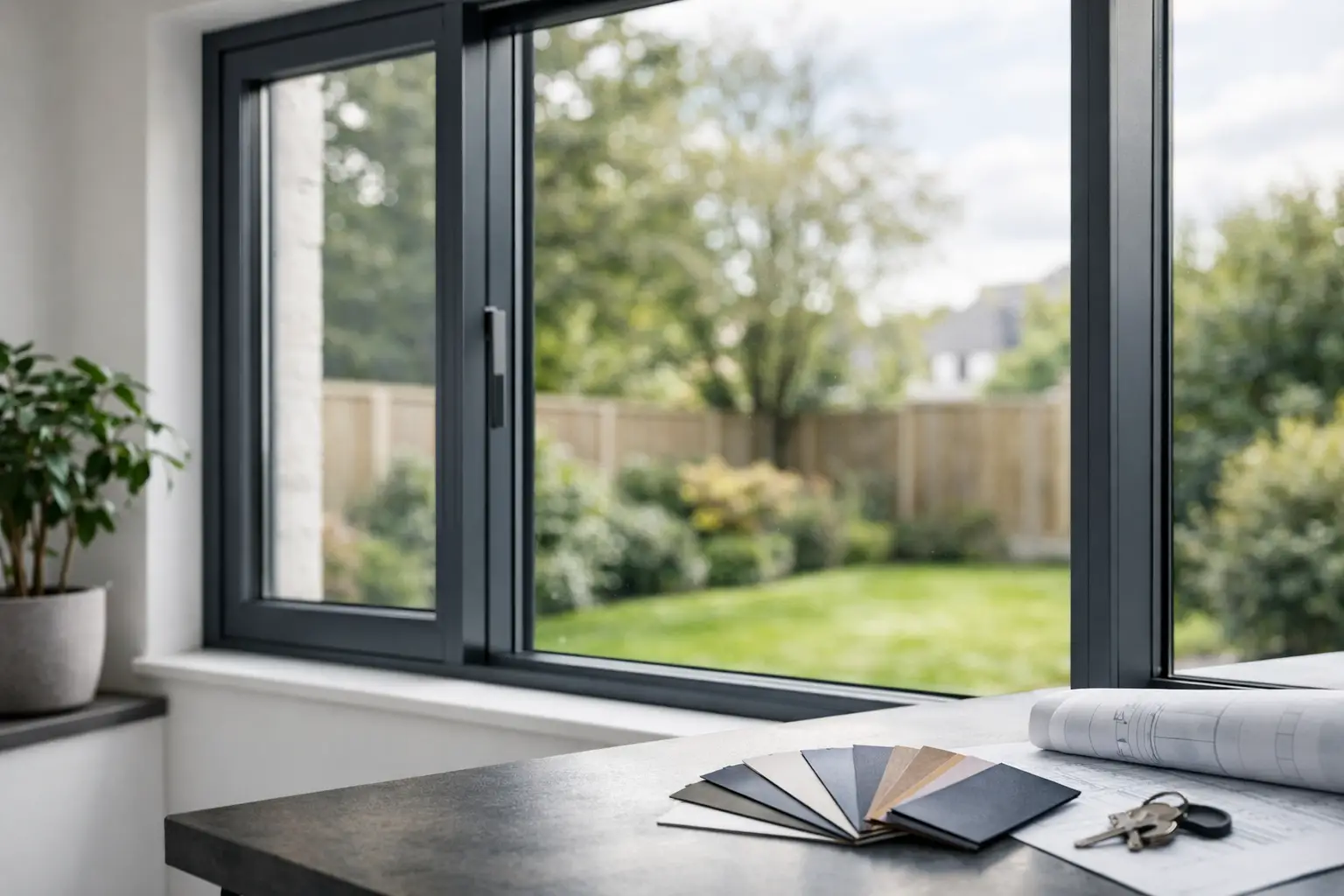
A slim frame can make a room look sharper. The wrong frame can leave you with poor sightlines, disappointing thermal performance, or a window that looked good in a showroom but does not suit the building. This aluminium windows buying guide is designed to help you compare systems properly, ask better questions, and buy with confidence.
For most buyers, the decision is not simply aluminium versus something else. It is which aluminium system, with which glazing, opening style, finish, and installation standard. That is where quality really shows.
What to look for in an aluminium windows buying guide
If you are replacing old windows, specifying glazing for an extension, or pricing a self-build, aluminium is popular for good reason. It gives you slimmer frames than many alternatives, strong structural performance, low maintenance, and a clean modern finish. It also works across a wide range of property styles, from contemporary garden rooms to period renovations where careful sightlines matter.
That said, not all aluminium windows perform the same way. The profile design, thermal break, gasket arrangement, glazing specification, hardware and manufacturing quality all affect the final result. A well-made system such as Smarts Alitherm 400 Windows, Cortizo Casement Windows, Schuco AWS80SC Casement Windows or Cortizo Hidden Sash Windows will feel very different from a cheaper product built to a headline price.
Start with the right window style
Before comparing brands, decide how the window needs to work on the building. Casement windows remain the most common choice because they are versatile, weather-resistant and available in many configurations. They suit standard replacements, new-builds and extensions equally well.
Hidden sash systems are worth considering if the visual priority is a more uniform glazed appearance. By concealing more of the opening sash behind the outer frame, they create cleaner external lines and can make elevations look more consistent. That is particularly effective on modern homes where symmetry and minimal sightlines matter.
Fixed frames are another option where ventilation is not required and maximum glass is the aim. In many projects, the best result is a combination – fixed lights where you want uninterrupted views, opening sections where ventilation and cleaning access are needed.
Sightlines matter more than brochures suggest
Buyers often focus first on colour and price, but sightlines deserve more attention. The visible frame dimension affects how much glass you see, how much light enters the room, and how refined the finished installation feels.
Slimmer is not always automatically better. A very slim profile may suit a contemporary extension perfectly, but on a larger opening or an exposed elevation you still need structural integrity and reliable weather performance. The best systems balance neat framing with real-world durability.
This is why named systems are useful. A product with a proven profile design, tested components and approved manufacturing gives you a clearer picture of what you are actually buying. It also makes comparison easier when weighing aesthetics against budget.
Thermal performance is about the full specification
A common mistake is to judge efficiency on frame material alone. Aluminium has improved significantly because modern systems use a thermal break between the inner and outer sections of the frame. Combined with energy efficient glazing, this makes contemporary aluminium windows thermally efficient and suitable for demanding residential projects.
Even so, U-values should be read carefully. Ask whether the figure relates to the whole window or just the centre pane. Whole-window values are the meaningful measure for compliance and practical performance. Also check what glass build-up was used to achieve that result, because triple glazing, warm edge spacer bars and specialist coatings can change the numbers considerably.
For many homes, a quality double-glazed unit is the right balance of cost, efficiency and frame proportions. Triple glazing can improve thermal performance further, but it adds weight and thickness, and it is not always necessary. On some projects, especially standard replacements, the upgrade may offer less benefit than buyers expect. On exposed sites or high-spec self-builds, it can make more sense.
Security should be built into the system, not added later
Window security is easy to overlook because it is less visible than frame style or glazing choice. Yet it is one of the clearest signs of a properly specified product. Multi-point locking, secure hardware, tested glazing options and quality handles all contribute to the final result.
It is also worth checking whether the system has been designed and tested to recognised security standards. A premium aluminium window should not rely on cosmetic strength alone. The frame, beading method, locking points and hardware compatibility all need to work together.
For homeowners, this means confidence. For trade buyers and specifiers, it means fewer compromises when balancing compliance, performance and appearance.
Think carefully about finish and colour
One of aluminium’s biggest advantages is finish flexibility. Powder-coated colours, textured finishes and dual-colour options allow you to match both the architecture and the interior scheme. Anthracite grey remains popular, but black, white and more project-specific colours are all common in higher-end glazing packages.
The key point is consistency. A premium finish should not only look right on day one, but retain its appearance over time. Coastal and exposed locations may need more careful consideration, and some colours show dirt, marks or weathering more readily than others.
If your project includes bifold or sliding doors as well as windows, think about the whole elevation. Matching systems across a scheme can create a more resolved look, particularly when combining windows with products such as a Cortizo COR Vision Sliding Door or Smarts Visoglide Plus sliding door.
Supply only or supply and install?
This is often where buying decisions become more practical. If you have a capable builder or installer and clear site management, supply only can work well. It gives experienced trade buyers and organised self-builders more control over the programme and fitting costs.
If you want a smoother route with clearer responsibility, supply and install is usually the safer option. Good products still need accurate survey work, correct tolerances, proper packers, suitable sealants and careful finishing. Poor installation can undermine even the best frame system.
For renovation work especially, employed installation teams and product familiarity can make a real difference. Existing openings are rarely perfect, and small errors around levels, reveals or sealing details can affect weather performance and appearance.
Price: what actually changes the cost?
The biggest cost variables are size, style, glazing specification, colour, hardware, and whether the windows are fixed or opening. Brand positioning also matters. A Schuco system will usually sit differently in the market from an entry-level alternative, because you are paying for profile engineering, testing pedigree, finish quality and overall product refinement.
Bespoke colours, larger panes, acoustic glazing and premium ironmongery all move the price upward. So does installation complexity. A straightforward replacement on a modern opening is one thing. A renovation with access issues, structural alterations or exacting sightline requirements is another.
The cheapest quote is rarely the best value if the frame specification is unclear or the installation scope is vague. Transparent pricing is far more useful than a low number with missing details.
A practical aluminium windows buying guide checklist
When comparing quotes, ask what system is being supplied, what whole-window U-value has been achieved, what glazing make-up is included, what security features are standard, and what finish warranty applies. Check frame sightlines, opening configurations and cill details as well.
Also ask who is manufacturing the frames, whether installation is included, and what responsibility sits with the supplier if there is a snag after fitting. Those points tell you a lot about the reliability of the offer.
Which buyers should prioritise what?
Homeowners usually start with appearance, warmth and maintenance. That is sensible, but long-term satisfaction often comes from details they did not originally ask about – frame proportions, handle quality, smooth operation and tidy installation.
Self-builders and renovators tend to look more closely at specification and compliance. They are right to do so, because glazing choices can affect SAP calculations, planning expectations and overall building performance.
Trade professionals often need consistency, lead-time reliability and fewer site issues. For them, a dependable system from an established brand can be more valuable than chasing the lowest frame price.
A well-bought aluminium window should look right from the street, perform properly through a British winter, and still feel like a good decision years later. If you compare systems on more than surface appearance, you usually end up with a better product and a much smoother project.